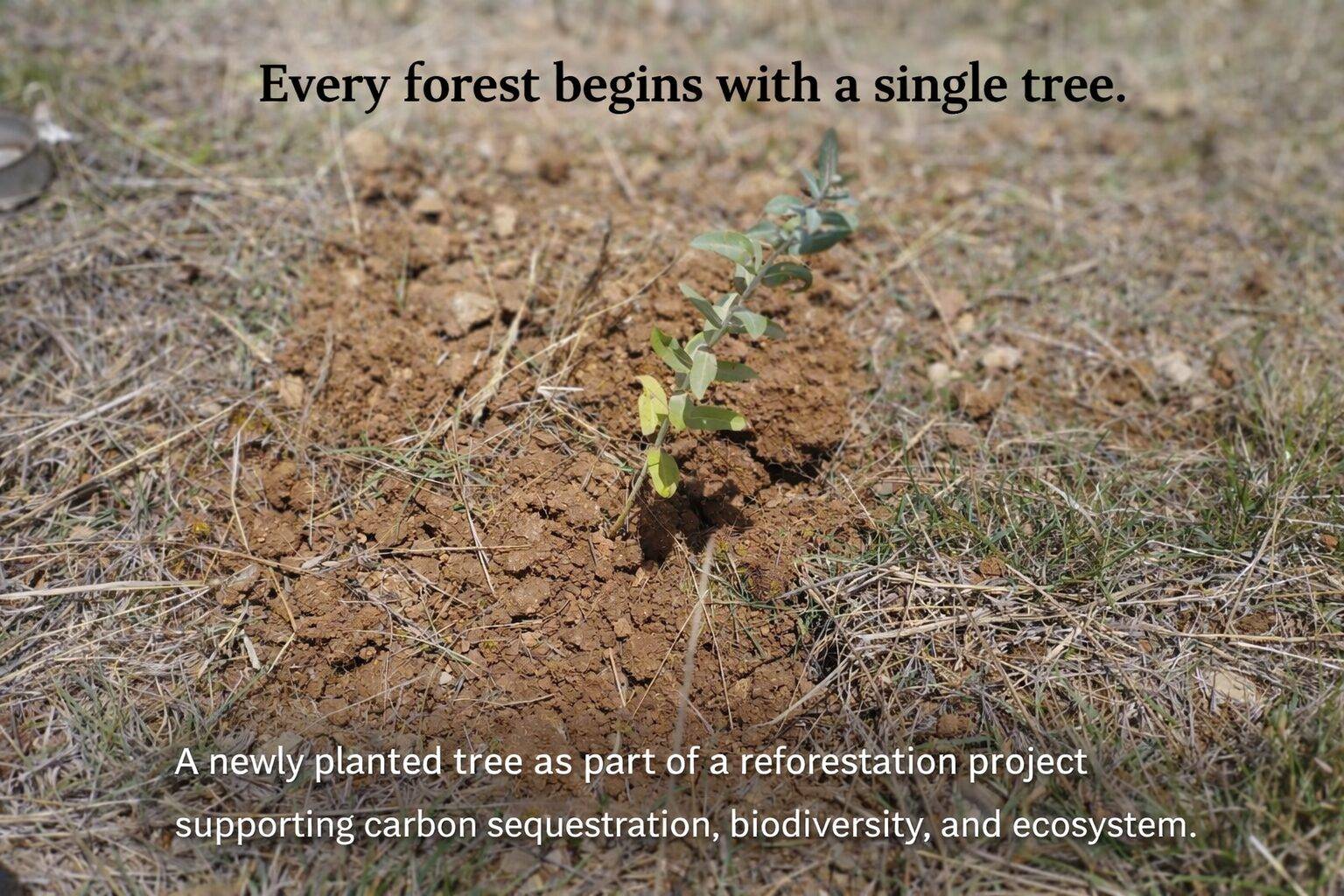
A science-based explanation of forest biomass, carbon capture over time, and how MRV ensures verifiable climate impact through community-led forest monitoring.
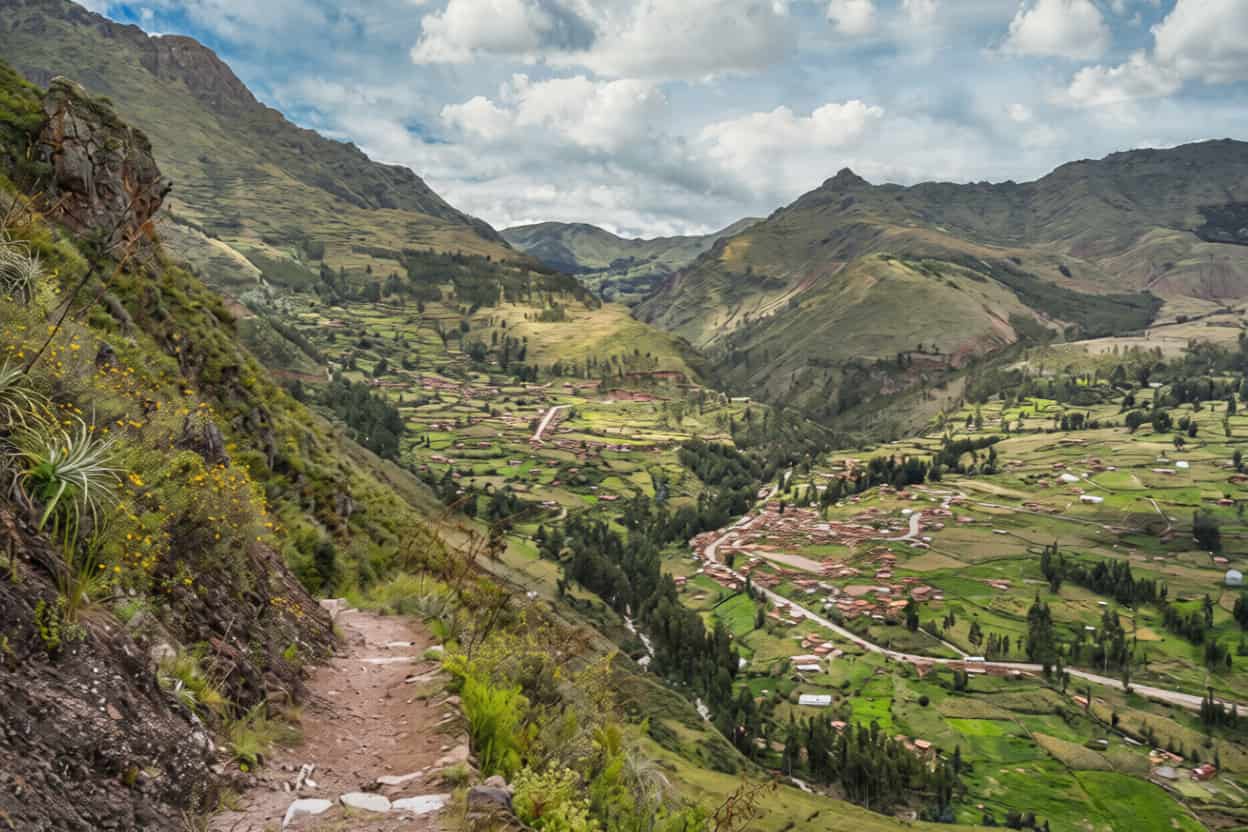
In Peru’s Andean highlands, water and soil are inseparable. Mountain ecosystems regulate water flows that sustain rural livelihoods, downstream cities, and agricultural systems.
What we eat is connected to forests through land. Food demand shapes how land is allocated, which ecosystems are protected, and where agricultural frontiers expand.
Your carbon footprint shapes the stability of our climate, the availability of clean water, and the health of forests that sustain people and biodiversity.
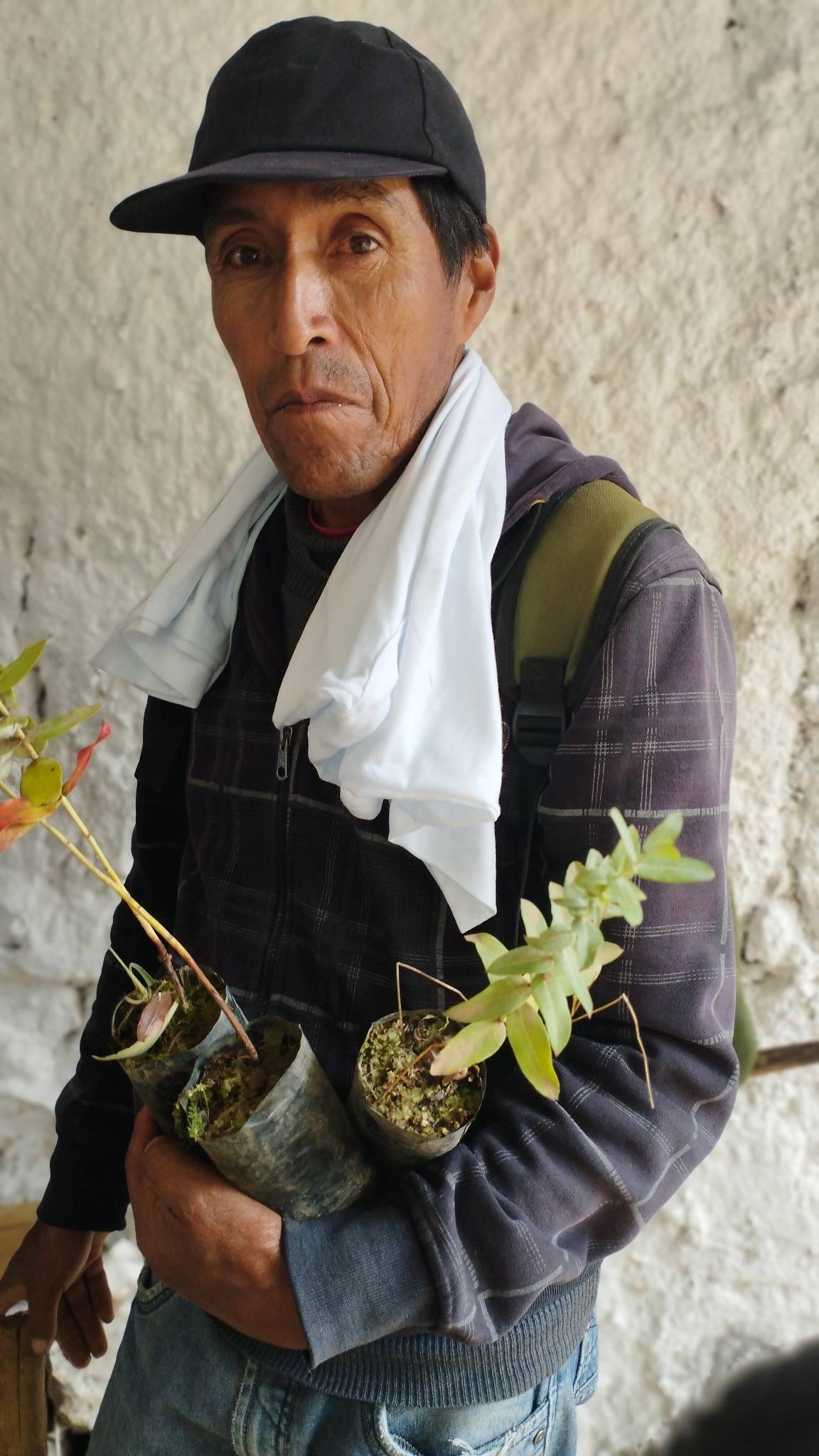
Eber remembers when the hill near her home felt empty and tired, when the soil was dry, the path was silent, and people walked by without stopping because there was nothing there that invited them to stay or feel connected.
In a world shaped by climate change and ecological loss, it is easy to believe that individual actions are too small to matter. Yet in nature, transformation often begins with something simple — a seed, a root, a single tree.