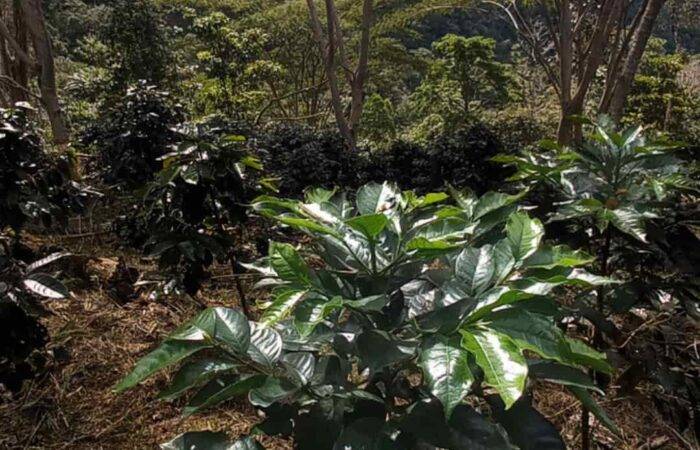

Reforestation: Resilience and Life is a long-term ecological restoration initiative located in the Andean region of Peru. The project was developed to respond to ecosystem degradation, climate vulnerability, and biodiversity loss through scientifically grounded reforestation and transparent, data-based monitoring. Full project documentation, spatial data, and monitoring records are publicly accessible through the Open Forest Protocol Atlas at:
https://atlas.openforestprotocol.org/1746399156636
The project encompasses 149.251 hectares of degraded land selected through ecological diagnostics, soil condition assessments, and restoration feasibility analyses. Historical land-use pressures in the region have resulted in erosion, declining vegetation cover, and reduced ecosystem functionality. Reforestation in this context is implemented as a structured ecological intervention rather than a short-term planting activity.
Internationally recognized ecological restoration principles guide project design and implementation. Species selection prioritizes native and locally adapted trees to enhance long-term survival, resilience, and ecosystem integration under current and projected climatic conditions. Restoration activities are spatially organized into clearly defined monitoring zones and permanent sample plots, enabling systematic observation of forest development over time.
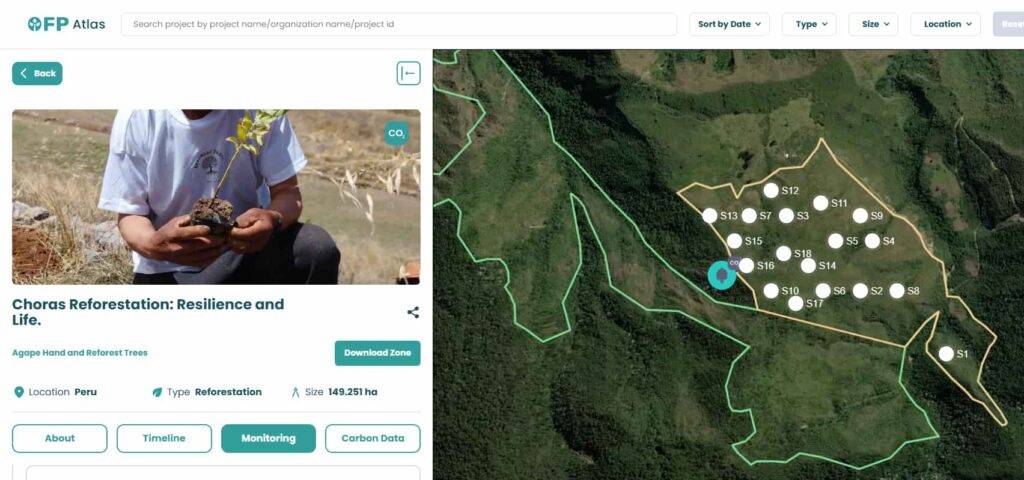
Monitoring protocols include the measurement of tree survival rates, growth performance, vegetation density, and land cover dynamics. All project boundaries, monitoring zones, and sample plots are georeferenced and publicly visible through the Open Forest Protocol platform. This open-access structure allows donors, partners, and independent observers to verify progress, review data, and assess ecological outcomes without intermediaries.
From a climate mitigation perspective, the project contributes to atmospheric carbon removal through biomass accumulation and soil regeneration. Carbon sequestration is treated as a measurable co-benefit supported by conservative methodologies and transparent reporting. Carbon-related data will be updated progressively as forest structures mature, ensuring that all climate impact claims remain evidence-based and verifiable.
Beyond environmental indicators, the project generates broader socio-ecological value. Restoration activities support local employment, strengthen land stewardship practices, and contribute to landscape-scale resilience. Functioning forest systems improve water regulation, reduce erosion risk, and create favorable conditions for biodiversity recovery and sustainable land use.
This initiative is designed for long-term impact rather than short-term visibility. Ecological restoration requires sustained monitoring, adaptive management, and multi-year commitment. For donors and institutional partners, this project represents a credible opportunity to support climate action grounded in scientific rigor, transparency, and measurable outcomes.
Supporting Reforestation: Resilience and Life means investing in verified ecosystem recovery and climate resilience. Contributions directly support monitored restoration activities within an open-data framework aligned with emerging global standards for nature-based climate solutions. Ongoing project updates and monitoring results remain publicly available at:
https://atlas.openforestprotocol.org/1746399156636