
How Forest Carbon Sequestration Drives Climate Mitigation, Sustainable Development, and Measurable Impact
Forests are not passive landscapes. They are dynamic carbon sinks that actively remove carbon dioxide (CO₂) from the atmosphere and store it across multiple ecological reservoirs. According to the Intergovernmental Panel on Climate Change (IPCC), the Agriculture, Forestry and Other Land Use (AFOLU) sector contributes approximately 23% of total anthropogenic greenhouse gas emissions, but it also represents one of the largest mitigation opportunities through forest conservation and restoration.
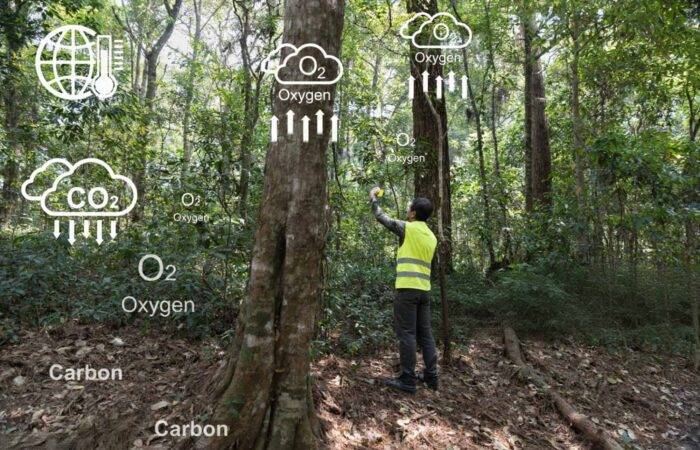
A carbon sink is defined as a system that absorbs more carbon than it emits. Through photosynthesis, trees capture atmospheric CO₂ and convert it into organic carbon compounds. This carbon is stored in three principal pools:
• Aboveground biomass (trunks, branches, foliage)
• Belowground biomass (roots and associated biota)
• Forest soils, where organic carbon can remain stabilized for decades to centuries
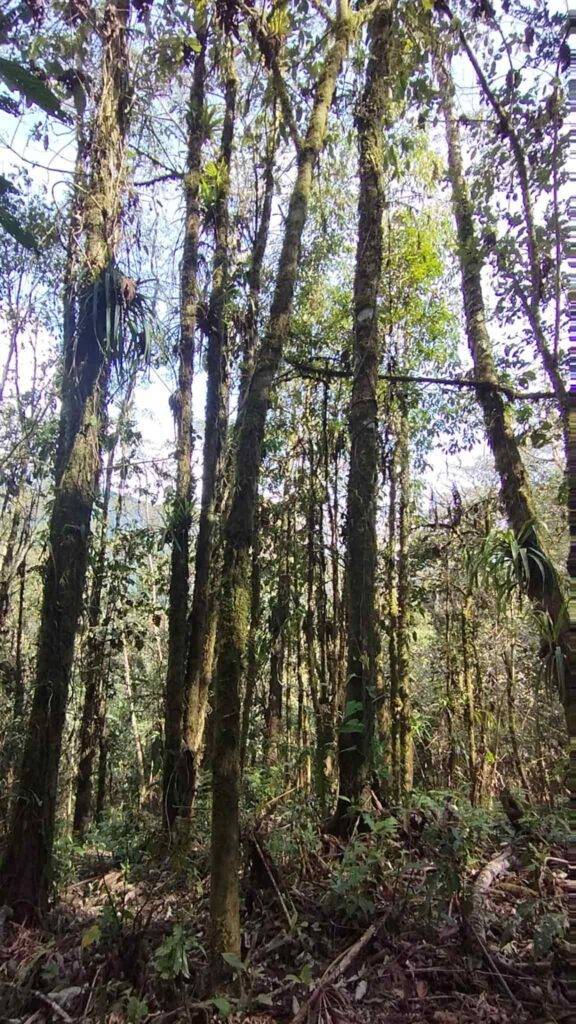
The Food and Agriculture Organization (FAO) estimates that global forests store approximately 662 billion tonnes of carbon in biomass and soils combined. Meanwhile, the United Nations Environment Programme (UNEP) identifies forest restoration as one of the most scalable nature-based solutions for climate mitigation and carbon footprint reduction.
Healthy forests function as long-term carbon sinks only when ecological integrity is maintained. Monoculture plantations with short harvest cycles cannot replicate the carbon stability of biodiverse forest ecosystems. Scientific reforestation and forest restoration prioritize native species diversity, structural complexity, and soil regeneration to ensure durable carbon sequestration and climate resilience.
Beyond carbon capture, forests regulate hydrological cycles, reduce erosion, stabilize slopes, and enhance local water security. These ecosystem services are directly linked to community well-being. In rural territories, restoration forestal and reforestation generate green employment, strengthen sustainable land management, and reduce vulnerability to climate shocks such as droughts and extreme rainfall.
Carbon mitigation and sustainable development are therefore interdependent. Forest-based climate action reduces atmospheric CO₂ while improving livelihoods, protecting soils, and enhancing long-term ecosystem productivity.
However, credibility is fundamental. Climate mitigation claims must be measurable and verifiable. Baseline carbon assessments, longitudinal monitoring of biomass growth, soil carbon sampling, and transparent accounting systems are essential to ensure integrity in carbon footprint reduction strategies.
Our approach integrates ecological science, community empowerment, and measurable carbon accounting to ensure that restored forests function as active, durable carbon sinks aligned with global climate frameworks.
Conoce cómo medimos la captura de carbono y restauramos ecosistemas con base científica en https://reforestrees.org/on-chain-impact-open-forest-protocol/
Forests are not symbolic solutions. They are climate infrastructure. Supporting science-based forest restoration strengthens global climate mitigation, reinforces sustainable development pathways, and contributes to measurable climate responsibility.
Learn how verified forest carbon sequestration can become part of your organization’s climate strategy. Explore our scientific methodology and impact transparency framework.