
1. The Problem With Environmental Promises Without Evidence
Climate action is increasingly visible across the world. Organizations, companies, and institutions often announce restoration programs, carbon commitments, and conservation initiatives. Yet in many cases, the public sees promises but cannot access the evidence behind them.
This gap between communication and verification is one of the central challenges in climate governance. Without public data, it becomes difficult to evaluate whether environmental commitments translate into measurable impact.
Responsible climate restoration must therefore prioritize evidence over narrative. Instead of asking the public to trust promises, projects should make their progress visible and verifiable.
You can Ver actualizaciones públicas de nuestros proyectos here:
https://atlas.openforestprotocol.org/1746399156636
These public updates allow anyone to follow the evolution of restoration work through time.
2. Why Transparency Is Essential in Climate Projects
Transparency is not simply a communication strategy—it is a scientific and institutional necessity.
Forest restoration projects operate across complex ecosystems where results develop over years. Monitoring progress requires structured environmental data, regular field observations, and consistent reporting systems.
Climate transparency serves several essential functions:
- It allows independent observation of project progress.
- It reduces the risk of exaggerated claims or greenwashing.
- It enables donors and stakeholders to verify real environmental outcomes.
- It strengthens institutional accountability.
When projects publish environmental data openly, they align with best practices in climate governance and responsible environmental stewardship.
Transparency transforms restoration from a narrative into an evidence-based process.
3. What Data We Publish and Why
Open environmental data is central to credible climate action. For this reason, restoration initiatives publish structured information that allows the public to evaluate project progress.
Typical project data includes:
Project Location
Geographic coordinates and territorial context allow stakeholders to understand where restoration activities are occurring.
Project Status and Progress
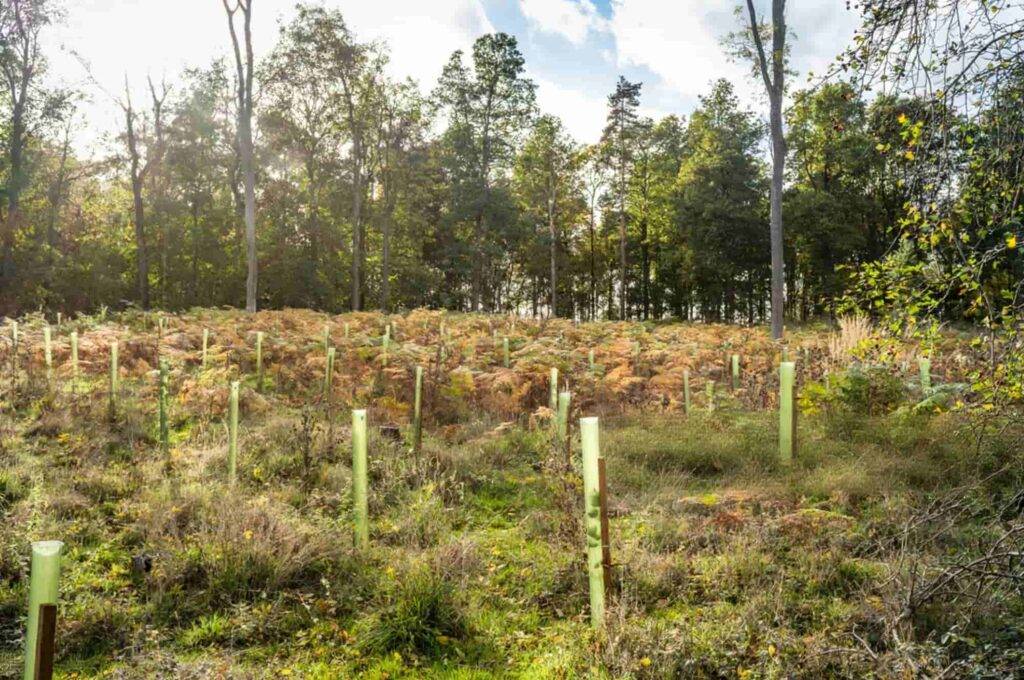
Updates describe current phases of restoration, including planting, maintenance, and monitoring activities.
Field Activities
Information about field operations—such as site preparation, seedling planting, and monitoring surveys—helps demonstrate operational progress.
Periodic Updates
Projects publish regular updates documenting changes over time. These updates show how restoration evolves season by season.
This type of data allows researchers, donors, and the public to evaluate whether a project is advancing according to its objectives.
Evidence-based reporting supports environmental credibility and reinforces climate transparency.
4. The Role of Shipibo and Sierra Communities in Monitoring
Restoration projects are not implemented in isolation. Communities play a central role in both ecological restoration and environmental monitoring.
In the Amazon, Shipibo communities participate in restoration work and help generate field observations that contribute to environmental data collection. In the Andean Sierra, community members support restoration efforts and participate in monitoring activities across restoration sites.
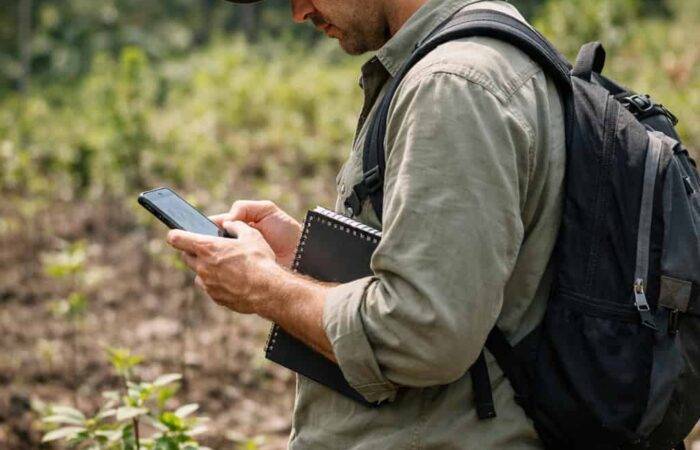
Local monitoring brigades help collect information such as:
- Survival rates of planted trees
- Field observations of restoration progress
- Maintenance activities and site conditions
Community participation ensures that environmental data reflects real conditions on the ground. It also creates dignified local employment tied directly to restoration outcomes.
Transparency therefore protects more than institutional credibility—it also protects the visibility and recognition of the communities whose work sustains restoration efforts.
5. Public Evidence and Project Access
Open data platforms allow anyone to explore restoration initiatives and verify their geographic context.
You can Explorar el mapa público de proyectos de Reforest Trees:
https://explorer.land/x/organization/ret/projects
This public map allows users to verify:
- The location of restoration projects
- The territorial context of each initiative
- The transparency of the restoration work being implemented
Geographic transparency helps stakeholders understand where restoration occurs and how projects relate to surrounding ecosystems and communities.
By making projects visible on public platforms, restoration initiatives move beyond abstract claims and provide concrete geographic evidence.
6. How Transparency Strengthens Donor Confidence
Environmental transparency has an additional benefit: it strengthens long-term trust between organizations and supporters.
When donors can see project updates, verify locations, and access environmental data, their contributions become connected to observable outcomes.
Transparent reporting allows supporters to follow restoration progress and understand how their contributions support real environmental work.
This approach aligns climate action with accountability. Instead of relying on marketing narratives, restoration initiatives demonstrate their impact through open environmental evidence.
Trust grows when evidence is visible.
7. Support Restoration With Verifiable Impact
Climate restoration must be built on science, transparency, and community collaboration.
Publishing environmental data allows restoration projects to demonstrate progress, protect the credibility of climate action, and recognize the contributions of local communities.
When restoration becomes transparent, impact becomes measurable.
Dona con confianza: tu apoyo financia restauración con evidencia pública y trabajo comunitario verificable.
Your support represents:
- An investment in real environmental impact
- Climate action backed by data
- Support for local communities participating in restoration
Transparent restoration strengthens both ecosystems and public trust.