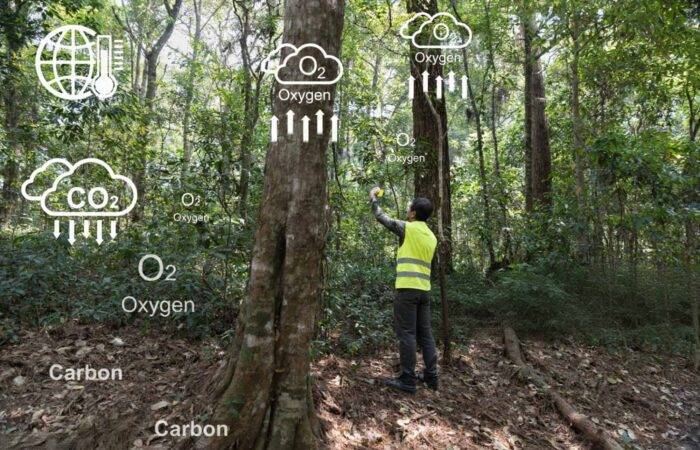

Reforestation is frequently reduced to a simple act: planting trees. From the perspective of restoration ecology, this framing is incomplete. True reforestation is a science-based process of ecological restoration that reestablishes forest structure, function, and resilience. It is not the number of seedlings planted that defines impact, but the recovery of ecosystem services, biodiversity, soil integrity, and long-term carbon sequestration capacity.
In degraded landscapes, ecological processes are disrupted: soils lose organic matter, hydrological cycles destabilize, biodiversity collapses, and carbon storage capacity declines. Scientific reforestation addresses these failures through site-specific species selection, assisted natural regeneration, soil restoration, and adaptive monitoring. The objective is to restore a functioning forest system—one capable of sustained CO₂ capture, climate regulation, and ecological stability over decades.
A monoculture plantation may accumulate biomass rapidly, yet it rarely replicates the ecological complexity of a restored forest. By contrast, integral ecological restoration prioritizes native species diversity, trophic interactions, structural heterogeneity, and long-term resilience. These characteristics are essential for durable carbon sinks, improved watershed regulation, erosion control, and recovery of soil microbiota.
Healthy forests provide measurable ecosystem services:
• Atmospheric CO₂ capture and long-term carbon storage
• Water cycle regulation and improved hydrological security
• Soil regeneration and nutrient cycling
• Biodiversity conservation
• Increased climate resilience against extreme events
In the context of accelerating climate change, reforestation is one of the most scalable natural climate solutions—provided it is grounded in rigorous science and transparent measurement. Credible climate action requires quantifiable impact. This includes baseline assessments, longitudinal carbon accounting, third-party verification, and digital transparency systems that ensure integrity in carbon footprint reduction claims.
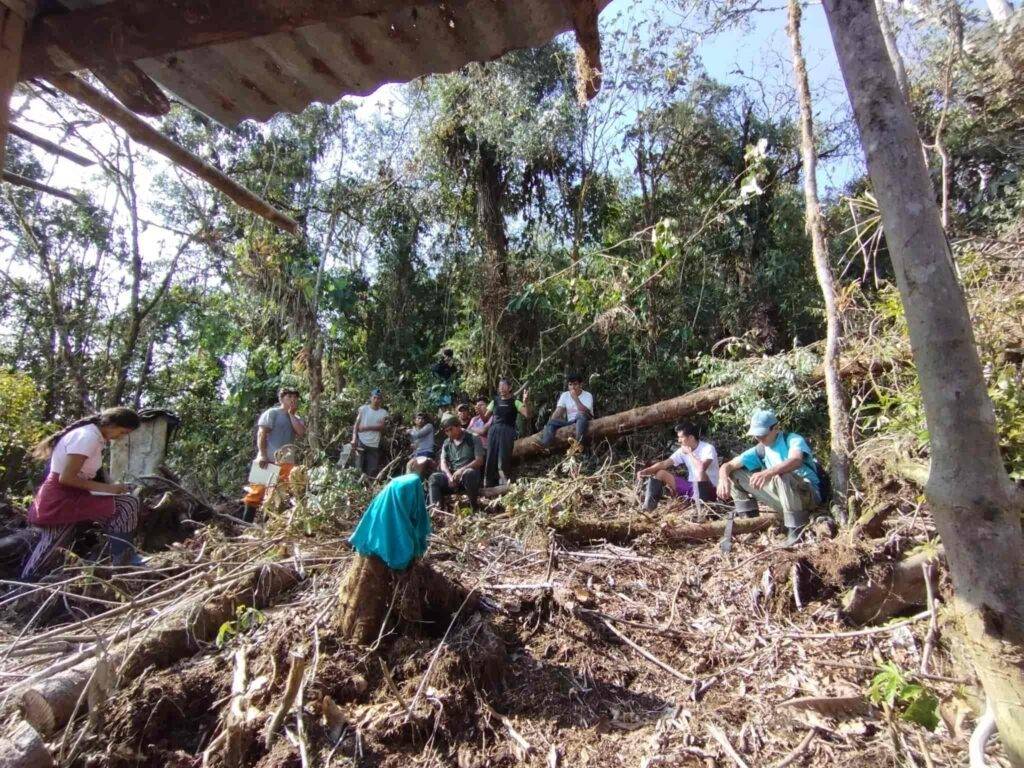
Equally critical is the social dimension. Effective reforestation integrates and empowers rural communities as co-architects of restoration. Community-based forest restoration generates green jobs, diversifies livelihoods, strengthens local governance, and improves water security. When restoration aligns with local economic incentives, forest protection becomes self-reinforcing and durable.
This integrated approach directly contributes to SDG 13 (Climate Action) and SDG 15 (Life on Land), while advancing broader sustainable development objectives. Beyond carbon metrics, measurable improvements include household income stability, reduced water vulnerability, soil productivity gains, and enhanced ecosystem resilience.
Reforestation, therefore, is not philanthropy alone—it is strategic climate infrastructure. For organizations and individuals seeking credible environmental leadership, investing in scientifically grounded restoration strengthens climate responsibility while contributing to verifiable impact.
Discover how we restore ecosystems through scientific methodology and measurable verification at
https://reforestrees.org/on-chain-impact-open-forest-protocol/
Restoring forests is restoring planetary function. Climate integrity, community resilience, and long-term carbon balance depend on it.
Learn how science-based reforestation can become part of your climate responsibility strategy. Explore the methodology, transparency framework, and measurable impact.