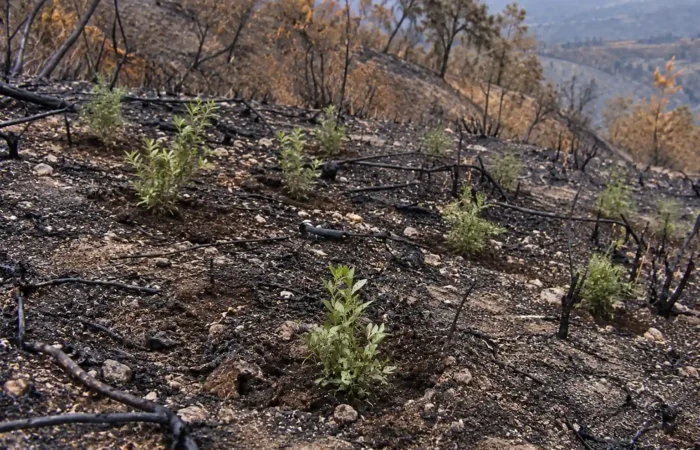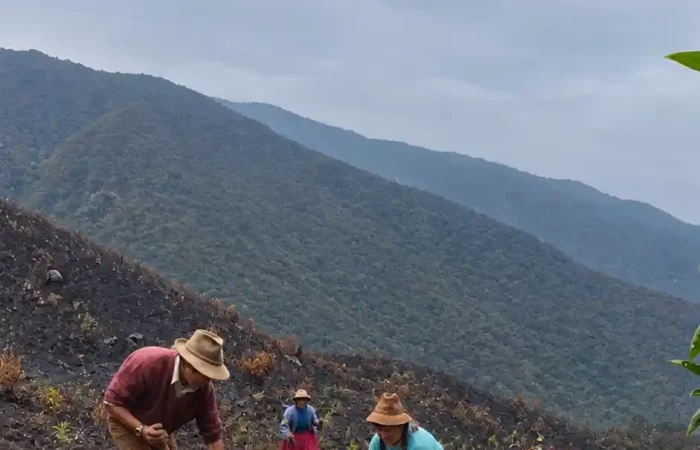

A wildfire has affected part of the landscape in Choras, Peru, where Reforest Trees has been supporting an ongoing forest restoration process—putting ecological recovery, community participation, and years of work under renewed pressure.
What Happened
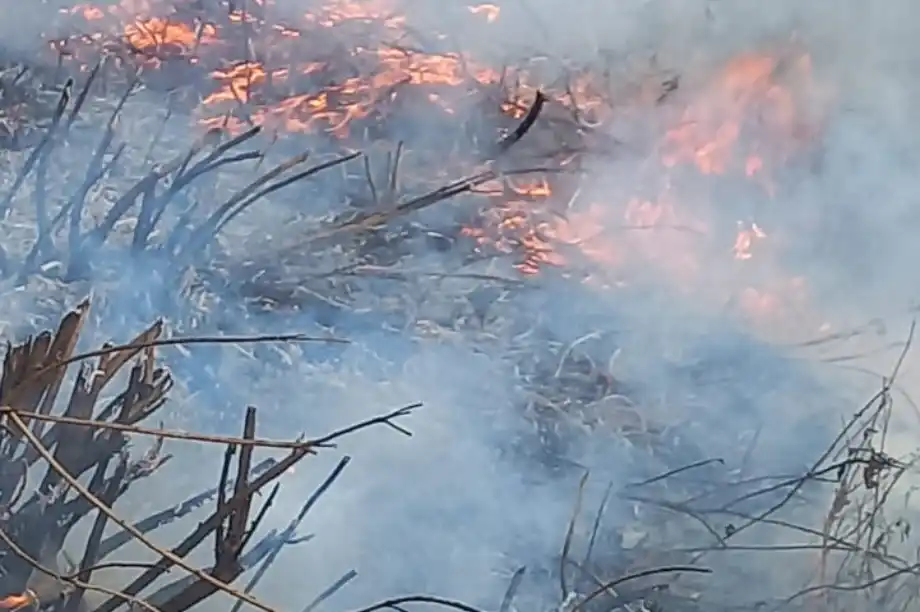
A wildfire affected part of the landscape where Reforest Trees carries out restoration activities in Choras, Peru.
This is not a new restoration project beginning after the fire. Recovery work was already underway in this territory. Vegetation was regenerating, restoration activities were being implemented, and local participation formed part of a longer-term effort to help the landscape recover.
The wildfire represents a serious setback to that process.
The full extent of the ecological impact is still being evaluated. We will not speculate about hectares affected, trees lost, species impacted, economic losses, or other figures until field assessment provides reliable evidence.
What we do know is that recovery cannot wait.
What the Fire Leaves Behind
The impact of wildfire does not end when the flames disappear.
In a landscape undergoing restoration, fire can damage recovering vegetation, interrupt natural regeneration, reduce protective plant cover, alter habitat conditions, and place additional pressure on native biodiversity.
Loss of vegetation can also leave soil more exposed to wind and rainfall, increasing erosion risk in vulnerable areas. Depending on fire intensity, local conditions, and the ecosystem’s capacity to recover, some areas may regenerate naturally while others may require active restoration.
Understanding those differences is essential.
Our response will therefore begin with assessment—not assumptions. Field evaluation will help identify surviving vegetation, areas capable of natural regeneration, locations requiring active intervention, and measures needed to protect soil and support ecological recovery.
The Impact on Families and the Community
Forest restoration is not simply about planting trees.
Behind restoration are people.
Rural families and community participants contribute knowledge, time, fieldwork, monitoring, management, and care for recovering landscapes. Their participation helps turn restoration from a short-term intervention into a process rooted in the territory.
A wildfire can therefore place pressure not only on ecosystems, but also on the activities and work opportunities associated with restoration and recovery.
Communities should not be seen only as people affected by environmental damage. They are partners and custodians of recovery.
For Choras to recover, ecological restoration and local capacity must move forward together.
How We Will Respond
Post-fire restoration requires more than returning to the landscape and planting new trees.
The first phase will focus on understanding what the ecosystem needs and directing resources where they can generate meaningful recovery.
Our work will include assessing affected areas; identifying surviving vegetation; determining where natural regeneration can be protected and encouraged; identifying locations where active restoration is necessary; supporting soil and vegetation protection; enabling local recovery activities and fieldwork; monitoring ecological recovery; implementing practical measures to reduce future fire risks; and documenting progress and results.
The objective is not simply to replace what was damaged.
It is to recover better—strengthening ecological resilience while reinforcing the capacity of local participants to protect and manage the recovering landscape.
A Recovery We Can Measure
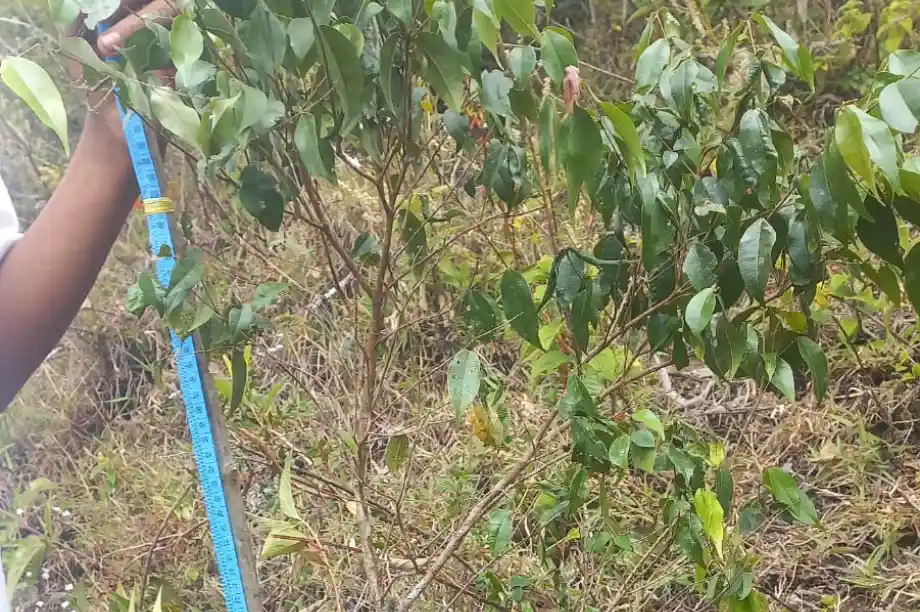
Restoration requires patience, evidence, and accountability.
Reforest Trees is committed to documenting the recovery process so that interventions can be evaluated over time rather than measured only by the number of trees planted.
Where applicable within the existing project, monitoring and transparency tools can help document restoration activities and ecological progress. The project also uses Open Forest Protocol infrastructure as part of its approach to documenting and tracking restoration information.
This reference does not imply that Open Forest Protocol funds, certifies, guarantees, or endorses this fundraising campaign.
Our priority is straightforward: understand the damage, support recovery based on field evidence, document what happens next, and learn from the process to build a more resilient landscape.
Choras Wildfire Recovery Campaign on GlobalGiving
Agape Hand and Reforest Trees has launched a microproject on GlobalGiving to support the urgent first phase of post-wildfire recovery in Choras.
Contributions will help turn assessment into action.
Funds raised through the campaign will support activities related to field assessment, identification and protection of natural regeneration, restoration interventions where required, field recovery work, ecological monitoring, soil and vegetation protection, documentation of progress, and practical measures that strengthen resilience against future disturbances.
Every intervention will depend on what field assessment shows is appropriate for the affected landscape.
This is not about planting as quickly as possible.
It is about making responsible restoration decisions and giving the ecosystem—and the people working alongside it—the conditions needed to recover.
Help Turn Damage Into Measurable Recovery
The wildfire has interrupted a restoration process already underway in Choras. What happens next will determine how effectively this landscape can recover.
Help us turn the damage caused by the wildfire into the beginning of a measurable recovery built together with the community.
Contribute through our official GlobalGiving campaign: https://www.globalgiving.org/microprojects/help-choras-families-restore-forest-after-wildfire/
Your contribution can help move the response from assessment to regeneration, restoration, fieldwork, monitoring, and long-term recovery.
Cannot Donate? Help the Campaign Travel Further.
Share this campaign with individuals, companies, organizations, environmental networks, colleagues, and communities that may be able to contribute.
Restoring Choras will take time. But recovery begins with informed action—and every person who contributes or shares this effort can help give an existing restoration process the opportunity to move forward again.
Together, we can protect what is regenerating, restore what needs intervention, and strengthen the future resilience of Choras.