
Forests are among the most effective natural climate solutions available today, playing a critical role in the global carbon cycle through the process of carbon sequestration. Understanding the science behind CO₂ capture per tree is essential to evaluating the true impact of reforestation as a climate mitigation strategy.
At the core of this process is photosynthesis, a biochemical mechanism by which trees absorb atmospheric carbon dioxide (CO₂), water, and sunlight to produce glucose and oxygen. The carbon contained in CO₂ is converted into organic compounds that form the structural basis of the tree—its trunk, branches, leaves, and roots—collectively known as biomass.
Carbon storage occurs across multiple ecological compartments. Aboveground biomass, including woody tissues and foliage, represents the most visible carbon pool. However, a significant proportion is also stored belowground in root systems, which contribute to soil stabilization and nutrient cycling. Additionally, trees enhance soil carbon sequestration by depositing organic matter through leaf litter and root turnover, enriching soil organic carbon stocks over time.
The rate of CO₂ capture varies significantly depending on several factors. Tree species play a critical role, as fast-growing species tend to sequester carbon more rapidly during early growth stages, while slower-growing species often store carbon more densely and for longer periods. Age is another key variable—young trees exhibit higher relative growth rates, but mature forests accumulate larger total carbon stocks. Environmental conditions such as climate, precipitation, temperature, and soil type further influence sequestration efficiency, as does sustainable forest management.
On average, a single tree can absorb approximately 10 to 25 kg of CO₂ per year, although this figure varies widely across ecosystems. Tropical forests, for instance, demonstrate higher sequestration rates compared to temperate or arid regions due to favorable climatic conditions and extended growing seasons. Over its lifetime, a tree can sequester hundreds of kilograms of CO₂, making large-scale reforestation a powerful tool in reducing atmospheric greenhouse gas concentrations.
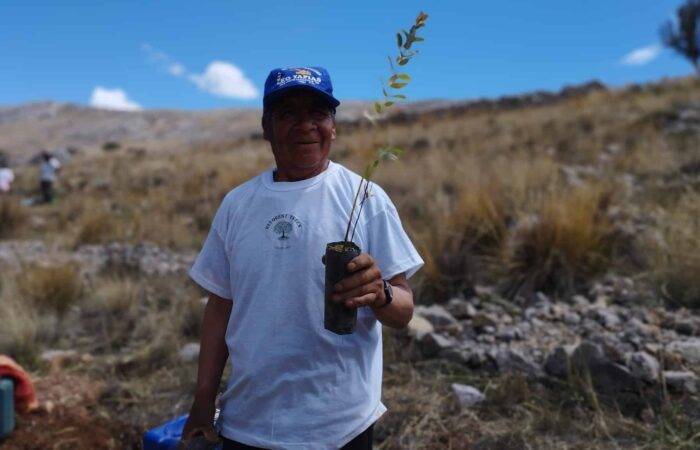
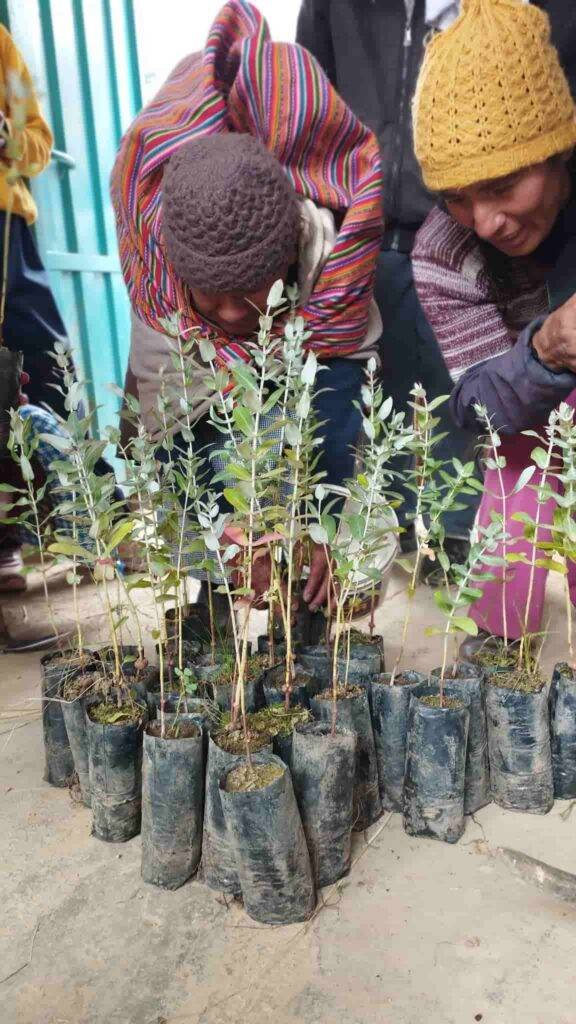
Beyond carbon capture, reforestation delivers critical co-benefits that enhance community resilience. Restored ecosystems improve soil fertility, support water regulation, and reduce erosion, directly benefiting agricultural productivity. At the same time, reforestation initiatives generate green jobs, strengthen local economies, and increase adaptive capacity to climate variability in vulnerable rural communities.
Importantly, the effectiveness of carbon sequestration must be measurable and verifiable. High-integrity reforestation projects implement robust monitoring systems, including carbon accounting methodologies aligned with international standards. These systems ensure transparency, quantify carbon removal, and validate long-term impact—key elements for building trust in climate-focused fundraising and investment.
Reforestation is not merely about planting trees; it is about restoring ecological function, capturing carbon at scale, and delivering measurable climate outcomes while empowering communities.
To understand how we scientifically measure CO₂ capture and the verified impact of each tree, visit:
https://reforestrees.org/donate/
Support evidence-based reforestation and be part of a measurable climate solution. Your contribution helps scale verified carbon sequestration and community resilience worldwide.