
Scientific reforestation and ecological restoration strengthen climate action and restore terrestrial ecosystems while supporting sustainable development.
Forests play a critical role in stabilizing the Earth’s climate system and sustaining biodiversity. Scientific reforestation and ecological restoration initiatives directly contribute to the achievement of two key United Nations Sustainable Development Goals: SDG 13 – Climate Action and SDG 15 – Life on Land. By restoring degraded landscapes and strengthening natural carbon sinks, reforestation projects provide measurable environmental and social benefits that extend far beyond planting trees.
Reforestation and SDG 13: Climate Action
One of the most important contributions of reforestation is its ability to support climate change mitigation. Through the process of photosynthesis, trees absorb atmospheric carbon dioxide (CO₂) and convert it into organic carbon stored in trunks, branches, roots, and forest soils. This process strengthens natural carbon sinks, reducing net greenhouse gas concentrations in the atmosphere.
Healthy forests act as long-term reservoirs of carbon, making them a fundamental component of global strategies for climate action. By increasing forest cover and restoring degraded ecosystems, reforestation projects help enhance carbon capture, stabilize regional climate systems, and increase climate resilience in vulnerable landscapes.
In addition to mitigating emissions, restored forests help communities adapt to climate variability. Forest ecosystems regulate local temperatures, improve watershed stability, and protect landscapes from extreme climate events such as droughts and flooding.
Reforestation and SDG 15: Life on Land
Beyond climate mitigation, reforestation plays a vital role in advancing SDG 15 – Life on Land, which focuses on protecting and restoring terrestrial ecosystems.
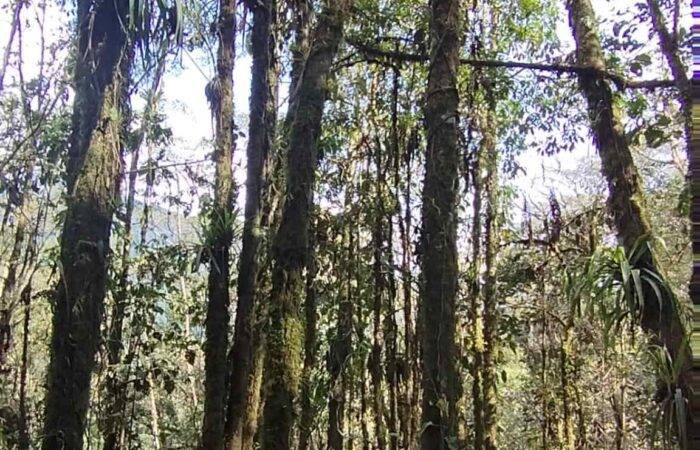
Ecological restoration helps recover degraded ecosystems, rebuild natural habitats, and protect biodiversity. Reforested landscapes provide shelter and resources for countless plant and animal species, supporting the regeneration of complex ecological networks.
Restored forests also improve soil health, reduce erosion, and contribute to the regeneration of soil organic carbon. At the same time, forests regulate the hydrological cycle, enhancing water infiltration, protecting watersheds, and supporting long-term water security for nearby communities.
These ecological functions are known as ecosystem services, and they are essential for maintaining the balance of Earth’s natural systems.
Environmental Impact and Community Empowerment
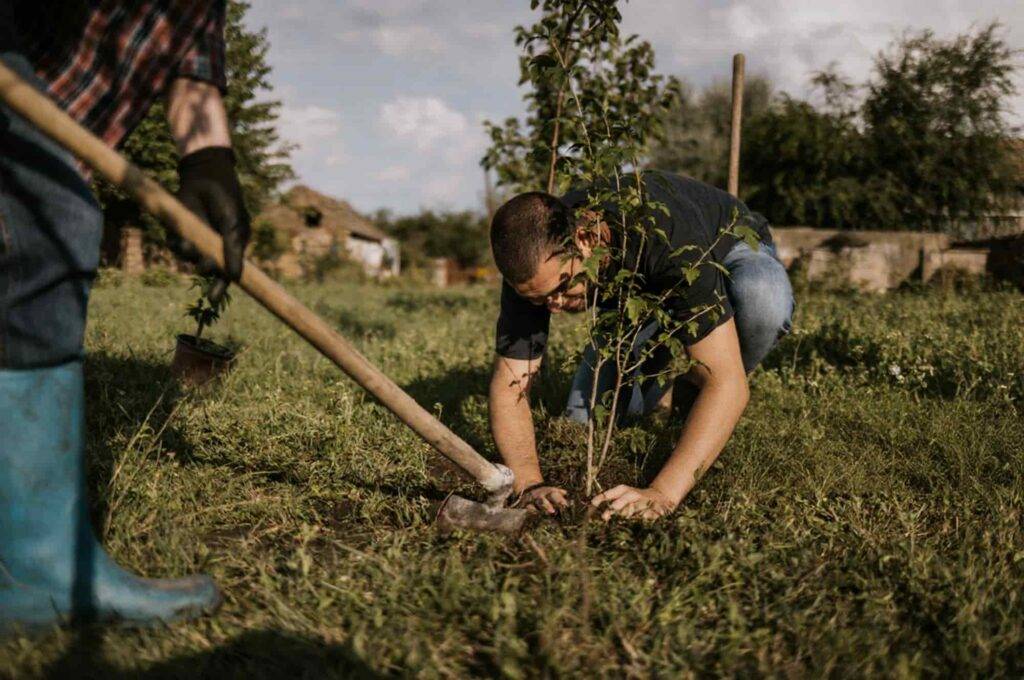
Effective reforestation projects do more than restore ecosystems—they also generate tangible social benefits. Sustainable restoration initiatives create green jobs, strengthen rural economies, and empower local communities to participate directly in environmental stewardship.
Community-based restoration programs help improve water security, support sustainable land management practices, and provide new opportunities for sustainable development in regions affected by land degradation and climate change.
By combining ecological science with community participation, reforestation initiatives can create lasting environmental and social resilience.
Measurable Climate Solutions
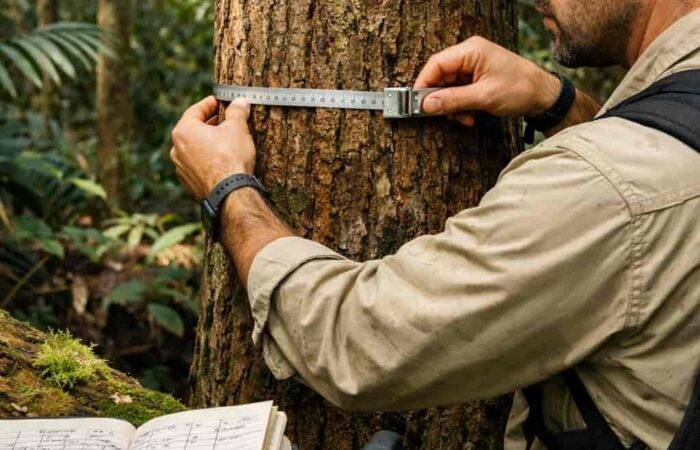
At a global scale, restoring forests represents one of the most effective nature-based solutions available for addressing climate change and biodiversity loss. When implemented using scientific methodologies and transparent monitoring systems, restoration projects can deliver verifiable environmental impact aligned with international sustainability frameworks.
Discover how our restoration projects contribute to the Sustainable Development Goals and generate measurable environmental impact:
https://reforestrees.org/corporate-sustainability/
Supporting science-based reforestation initiatives helps accelerate global climate solutions while restoring ecosystems and strengthening communities. Together, we can expand nature-based climate action and build a more resilient and sustainable planet.