
Employment Generation and Green Jobs
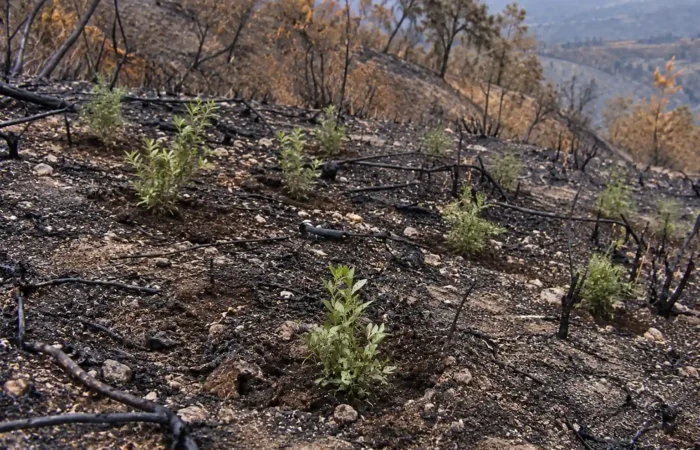
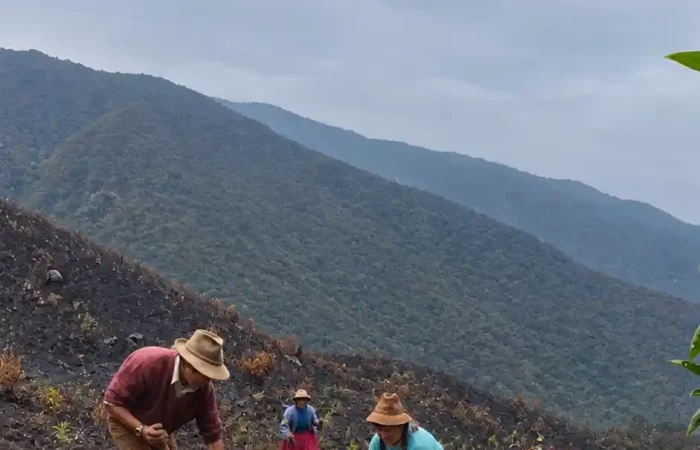
Reforestation initiatives create immediate employment opportunities across multiple stages: seed collection, nursery management, planting, maintenance, and environmental monitoring. These activities form the backbone of green employment, providing stable income streams in regions often affected by economic vulnerability.
Local nurseries evolve into micro-enterprises, strengthening rural economies through the development of local supply chains and technical capacity building.
Strengthening Local Value Chains
Each tree contributes to diversified economic activities, including agroforestry products, sustainable timber, non-timber forest products, and ecosystem-based services. These value chains increase income diversification, reducing dependency on single-source livelihoods.
Indirect Economic Benefits and Ecosystem Services
Agricultural Productivity and Soil Recovery
From an environmental economics perspective, trees enhance soil structure, increase organic matter, and prevent erosion. This leads to improved agricultural productivity, directly impacting food security and household income.
Water Regulation and Climate Risk Reduction
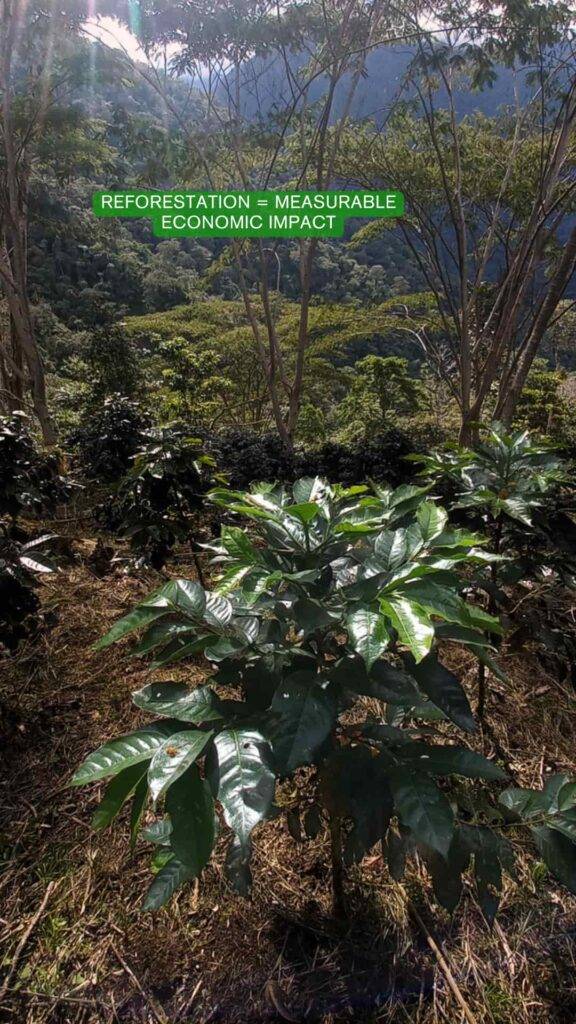
Forested landscapes regulate hydrological cycles, improving water availability for crops and reducing drought risks. Additionally, reforestation acts as a natural buffer against climate variability, lowering economic losses associated with extreme weather events.
Scientific and Economic Impact Framework
Reforestation generates value through ecosystem services, including carbon sequestration, biodiversity recovery, and climate regulation. These services translate into quantifiable economic benefits by reducing future costs linked to land degradation, water scarcity, and climate adaptation.
Investments in restoration ecological systems yield high social return on investment (SROI) by integrating environmental restoration with socioeconomic development.
Each tree planted contributes to:
• Increased rural income
• Reduced climate-related risks
• Strengthened economic resilience
• Long-term sustainable development
Community Empowerment and Long-Term Impact
Community-centered reforestation ensures that local populations are not passive beneficiaries but active stakeholders. By integrating training, governance, and economic participation, these initiatives foster resilient local economies and improved quality of life.
The link is clear:
Trees → Ecosystem Stability → Economic Growth → Human Well-being
Measurable Impact
Discover how each tree generates measurable economic and environmental impact at:
https://reforestrees.org/impacto
Supporting reforestation is not a donation—it is an investment in sustainable development, climate resilience, and inclusive economic growth. Organizations and individuals can drive systemic change by backing initiatives grounded in science, transparency, and measurable impact.