
Calculate and understand your footprint here → https://reforestrees.org/how-to-measure-your-carbon-footprint-and-start-reducing-it-today/
Why it matters today
Your carbon footprint shapes the stability of our climate, the availability of clean water, and the health of forests that sustain people and biodiversity. Rising greenhouse gas emissions are intensifying droughts, floods, wildfires, heatwaves, and ecosystem degradation, putting pressure on food systems, rivers, and rural livelihoods. These impacts fall disproportionately on Indigenous and mountain communities that depend directly on healthy landscapes. Understanding your footprint connects daily decisions about energy, mobility, food, and consumption with real consequences for climate, nature, and communities.
What is CO₂e?
CO₂e, or carbon dioxide equivalent, is a scientific unit that expresses the warming impact of different greenhouse gases in a common measure. Methane from livestock or landfills traps much more heat than carbon dioxide, so one kilogram of methane equals many kilograms of CO₂e. Nitrous oxide from fertilizers is even more potent and long-lived. Using CO₂e allows households, companies, and governments to compare emissions from electricity, transport, food, and goods in a single, clear, and reliable metric.
Where emissions come from
In most homes, heating, cooling, and electricity generate emissions when powered by fossil fuels. Transportation—especially private cars and flights—is often the largest personal source of CO₂e. Food choices also matter: beef and dairy typically carry higher footprints than plant-based foods due to land use and methane emissions. Finally, clothing, electronics, and everyday products embed hidden emissions from extraction, manufacturing, and global shipping that are rarely visible to consumers.
Restoration with Reforest Trees
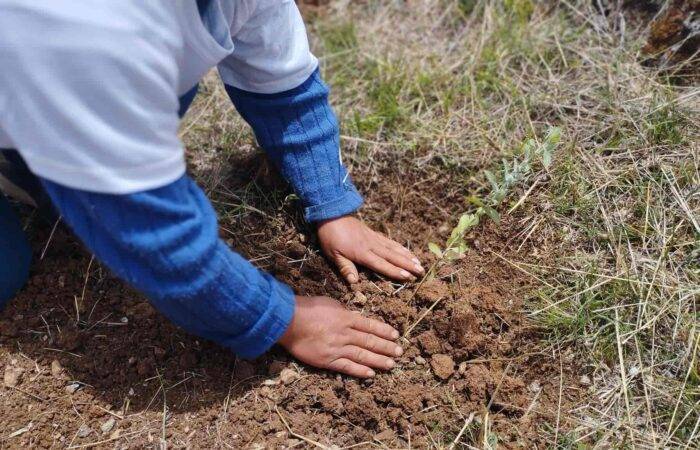
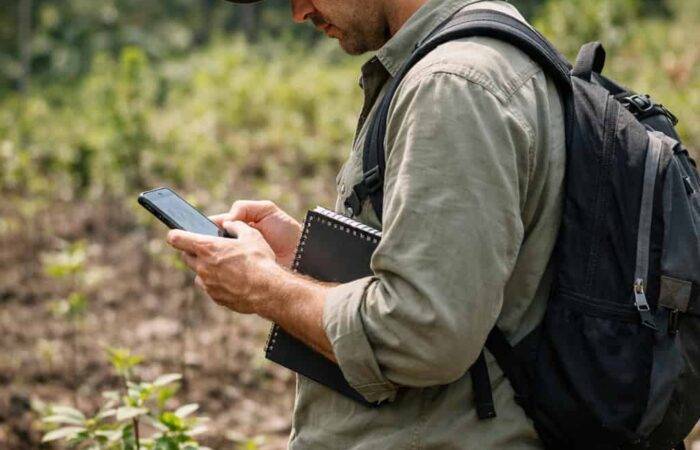
Reforest Trees supports ecological restoration that goes beyond planting trees. Projects prioritize native species recovery, soil regeneration, watershed protection, and long-term maintenance, combined with scientific monitoring of tree survival and carbon storage. Local technicians collect field data and satellite evidence to ensure forests grow, thrive, and deliver measurable climate benefits while creating stable green jobs.
Transparency you can verify (MRV + Web3)
All projects follow rigorous MRV—measurement, reporting, and verification—to track trees, biomass, and carbon over time with standardized methods. Results are recorded in the Open Forest Protocol (OFP), a public digital registry that makes impact traceable, auditable, and resistant to manipulation. Anyone can review locations, progress, and outcomes in real time.
Ver evidence verified in OFP → https://reforestrees.org/on-chain-impact-open-forest-protocol/
Community and climate justice
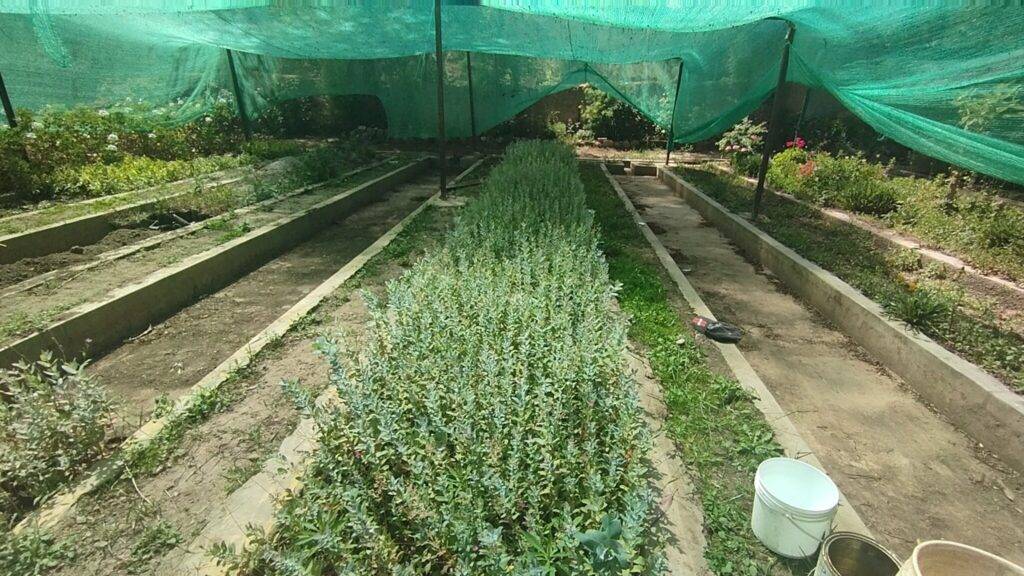
Donations finance green employment in Shipibo communities of the Amazon and in communities of the Andean Sierra. Local teams manage native plant nurseries, prepare land, plant trees, and carry out maintenance and monitoring. Projects operate through co-governance that respects Indigenous knowledge, culture, and territorial rights while strengthening local economies, water security, and food systems.
Donate to turn your footprint into verifiable forest restoration and decent employment for local communities.